
Why a Key Breaks in the Lock and How to Avoid It
Why keys break inside locks, what causes the problem, and how to prevent it. Practical advice from Zamok24 in Vinnytsia.

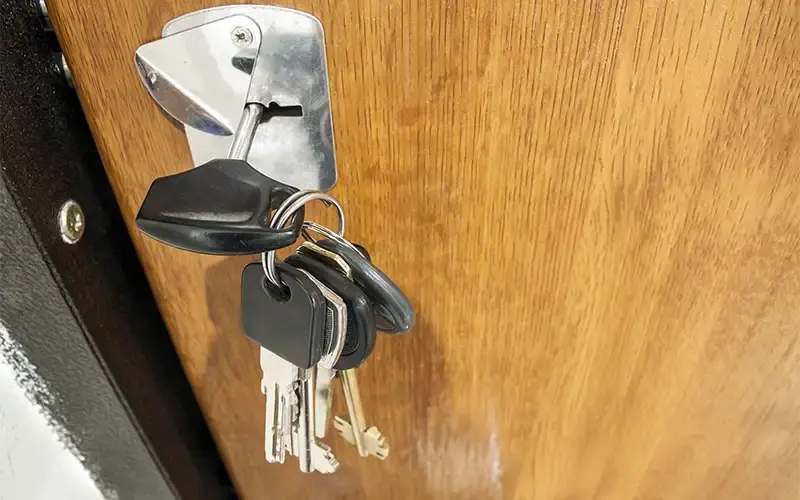
Why a Key Breaks in the Lock
When a key breaks in the lock, it may seem like the problem happened suddenly. But in most cases, the lock or key had already shown signs of wear: the key was difficult to insert, turned with jerks, the lock was sticking, or the door had to be pressed while opening. If these signs are ignored, the key may eventually fail under pressure and break.
Zamok24 helps in Vinnytsia when a key breaks in the lock, the door does not open, or the broken part remains inside the cylinder. In such situations, it is important not to push the broken piece deeper and not to force the mechanism.
A Worn Key Is One of the Main Reasons
An old key gradually wears down, deforms and may develop small cracks that are not always visible at first. If you continue using such a key, it can break at the moment of turning the lock, when the metal is under the highest pressure.
It is especially risky to use a key that is already slightly bent, has worn cuts or opens the lock only after several attempts. If the key works unstably, it is better to have the lock checked and avoid waiting for an emergency.
A Worn Lock Cylinder
If the lock cylinder is worn, the key may enter tightly, get stuck or turn with jerks. In this situation, people often apply more force than necessary. This is one of the common reasons why a key breaks inside the mechanism.
If the lock has been sticking for a long time, it is better not to delay inspection. In many cases, lock repair and replacement can help: the locksmith checks the cylinder, hardware and explains whether repair is enough or whether the mechanism should be replaced.
Door Misalignment and Extra Pressure on the Lock
Sometimes the problem is not the key itself, but the door. If the door leaf has dropped, the frame is misaligned or the bolts enter the strike plate under pressure, the lock becomes harder to operate. In this case, the key has to overcome extra resistance, which increases the risk of breakage.
These issues often appear gradually: the door needs to be lifted, pressed or pulled for the lock to open. You can view a similar example in the portfolio: opening a metal door with a jammed lock.
A Poorly Made Key Copy
A poorly made copy of a key may work worse than the original: it may not go in fully, catch inside the cylinder or turn only at a certain angle. If such a copy is used every day, it can wear out the lock faster and may also break inside.
If a new key works worse than the old one, do not try to “work it in” by force. It is better to check the copy or the lock mechanism before the key breaks and the door becomes blocked.
The Lock Was Already Sticking
If the lock did not open on the first try, the key had to be moved around, or it turned only with force, these were already signs of a problem. When such symptoms repeat, the mechanism can jam at any moment.
In this situation, emergency lock opening may be needed. But if you call a locksmith earlier, you can avoid full door blocking and reduce the risk of the key breaking.
What to Do if the Key Has Already Broken
If the key has already broken in the lock, do not try to remove the broken part with a knife, needle, wire or screwdriver. This can push the fragment deeper, damage the cylinder or completely block the mechanism.
If the door remains locked, emergency door opening may be needed. You can view an example of this work here: emergency door opening with a broken key.
Should the Lock Be Replaced After a Key Breaks
Not always. If the broken part was removed carefully and the cylinder works properly after inspection, the lock can often remain in use. But if the key broke because of a worn mechanism, sticking or door misalignment, replacement should not be delayed.
If keys were lost or there are doubts about security, it is often enough to replace the cylinder. You can view an example here: lock cylinder replacement after lost keys.
How the Locksmith Checks the Lock After a Key Breaks
After opening the door and removing the broken key fragment, the locksmith checks how the cylinder works, whether the key turns smoothly, and whether there is looseness, sticking or unusual noise. The handle, hardware and door position are also checked.
If the mechanism works unstably, the locksmith may recommend repair or replacement. A similar example is available in the portfolio: lock repair after emergency door opening.
How to Avoid Breaking the Key Again
To prevent the key from breaking again, do not use heavily worn or bent keys, do not open the door with force, and do not ignore the first signs of a faulty lock. If the key starts entering tightly or the lock does not open on the first try, the mechanism should be checked in advance.
It is also important to watch the condition of the door. If the door needs to be pressed, lifted or pulled while opening, the lock is working under extra pressure. This can again lead to a broken key or a jammed mechanism.
Examples of Completed Work
View examples of work with broken keys, jammed locks and lock repair after emergency opening.
When It Is Better to Call a Locksmith in Advance
It is better to call a locksmith before the key breaks if the lock regularly sticks, the key turns with jerks, the cylinder has looseness or the door opens only after several attempts. These symptoms often warn about a future jam.
In the Zamok24 blog, you can find useful materials about locks, doors, keys and emergency situations. All main service areas are available on the Zamok24 services page.
Conclusion
A key usually does not break in the lock by accident. The most common causes are a worn key, faulty cylinder, door misalignment, poor key copy or the habit of opening the lock with force. If you notice the first warning signs in time, you can avoid an emergency.
Zamok24 helps in Vinnytsia when a key breaks in the lock, the door does not open, or the mechanism needs inspection, repair or replacement after the problem.
Share this post:
Related Posts
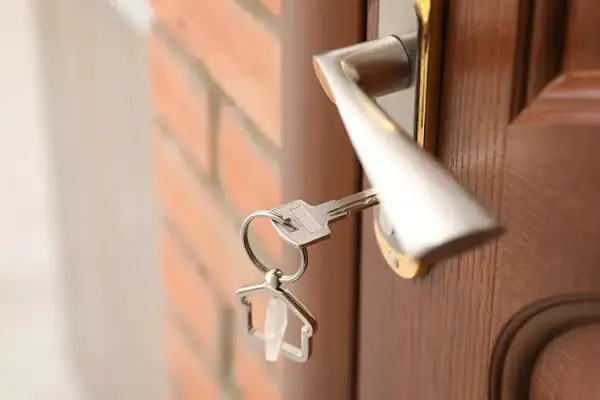
What to do if a key is stuck in the lock, does not turn or will not come out. Zamok24 helps with eme...
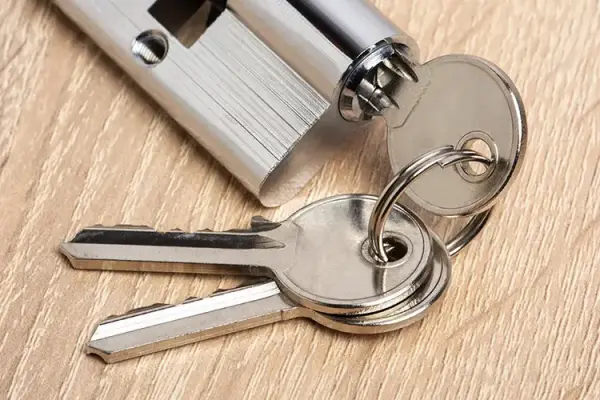
When a lock cylinder should be replaced after a broken key and when repair may be enough. Practical...
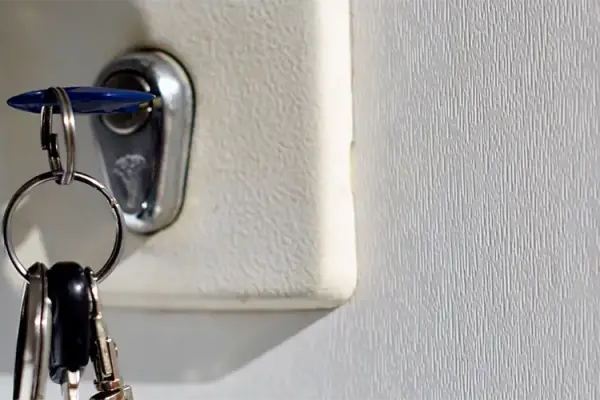
What to do if a key breaks inside a lock. Safe advice before calling a locksmith and why you should...