
The Safe Won’t Open: What to Do If the Key Is Lost
What to do if a safe will not open, the key is lost, the lock is jammed or the mechanism does not work. Safe advice from Zamok24 in Vinnytsia.

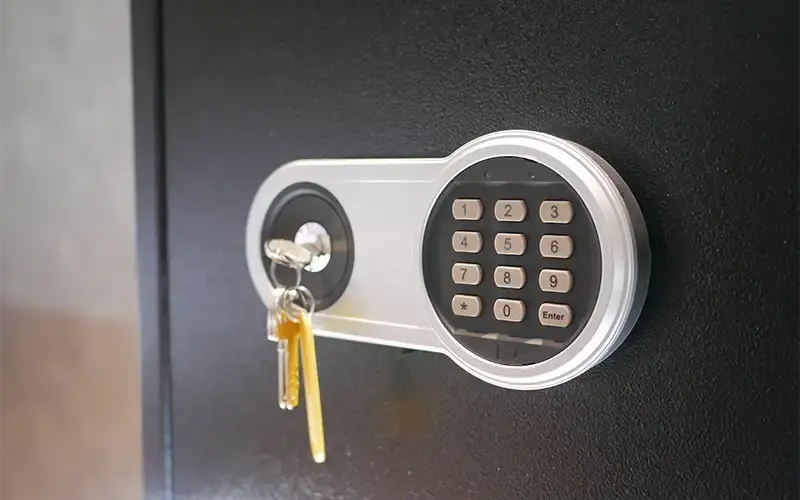
Safe Won’t Open: What to Do First
If the safe will not open, the key is lost or the lock is jammed, the main rule is not to damage the body, door or locking mechanism right away. Safe locks require a careful approach, and rough actions can make further opening more difficult and more expensive.
Zamok24 helps in Vinnytsia with emergency situations when access to a safe, door, lock or car needs to be restored. If the problem is related to a locking mechanism, you can request the service emergency lock opening.
If the Safe Key Is Lost
Losing a safe key is one of the most common reasons to call a locksmith. In this situation, you should not try random keys, force the mechanism or take the lock apart on your own. This can damage the internal parts of the safe.
If the key is lost, the locksmith first checks the type of safe, the condition of the lock and whether careful opening is possible. A similar example can be viewed here: emergency safe opening after losing the key.
If the Safe Lock Is Jammed
Sometimes you have the key, but the safe still will not open. The reason may be lock wear, internal jamming, a damaged key, a misaligned safe door or a fault in the mechanism. In this situation, you should not apply excessive force.
If the key goes in tightly, does not turn or turns with jerks, it is better to stop. Trying to force the safe open can break the key inside the lock or damage the mechanism, making the work more complicated.
If the Key Broke in the Safe Lock
If the key broke in the safe lock, do not try to remove the broken part with a knife, needle, wire or screwdriver. Such objects can push the broken part deeper or damage the lock cylinder.
This situation is similar to cases when there is a broken key in the lock of a door. The locksmith needs to carefully assess the mechanism, restore access and check whether the lock can still be used.
Why You Should Not Break the Safe Yourself
Trying to damage the safe yourself can ruin the body, door, hinges, lock or internal mechanism. As a result, the safe may lose its protective function, and further repair or replacement may become more expensive.
Rough actions can also damage the items inside the safe: documents, money, data storage devices, jewelry or other valuables. That is why it is better not to rush into forceful methods and to call a locksmith for careful opening.
If the Safe Is Needed Urgently
An urgent call may be needed if the safe contains documents, keys, money, stamps, contracts or items that are needed right now. In this case, it is important to explain the situation to the locksmith quickly and not waste time on risky independent attempts.
During the call, explain what happened: the key is lost, the key broke, the lock is jammed, the safe has not been opened for a long time or the door became blocked after several attempts.
What Information to Give the Locksmith
To help the locksmith prepare, describe the type of safe, approximate size, where it is located, what happened to the lock and whether there were any attempts to open it yourself. If you know the brand or model of the safe, mention that as well.
It is also important to say whether you have the key, whether it is lost, whether it broke in the lock or whether the safe does not open even with the correct key. All main service areas can be viewed on the Zamok24 services page.
Access Rights Must Be Confirmed
Before opening a safe, the locksmith must make sure that you have the right to access it. This is standard security practice because a safe may contain documents, money, valuables or personal belongings.
If the safe is located in an office, shop or another commercial premises, confirmation from the owner, manager or responsible person may be required. This protects the client, the locksmith and the property owner.
If the Safe Is in an Office or Shop
In business, safes are often used for documents, cash, stamps or important materials. If such a safe will not open, it can stop working processes. But even in an urgent situation, you should not damage the safe yourself.
If the problem happened in an office, the locksmith can also check other locks or doors in the premises. For example, Zamok24 provides emergency office door opening in Vinnytsia when access to a workplace is blocked.
If the Safe Has Not Been Opened for a Long Time
If the safe has not been used for a long time, the lock may work worse because of wear, dirt, improper key storage or natural aging of the mechanism. In such cases, the key may enter tightly or may not turn on the first attempt.
Do not repeat forceful attempts many times. If the safe does not open after a few careful tries, it is better to contact a locksmith so you do not break the key or mechanism.
Can the Safe Be Used After Opening
After the safe is opened, the condition of the lock, key, door and internal mechanism should be checked. If the lock works smoothly, the key does not stick, and the door opens and closes normally, the safe can continue to be used.
If the lock works unstably, the key turns with difficulty or there are signs of wear, repair should not be postponed. Otherwise, the safe may become blocked again at the worst possible moment.
When Safe Lock Repair or Replacement Is Needed
Safe lock repair or replacement may be needed if the key sticks, the mechanism has play, the lock does not open on the first attempt or there is a risk of repeated jamming after opening. In such cases, simply opening the safe is not enough — the cause of the problem must be fixed.
If the problem is similar to a regular door lock fault, you can also view the service lock repair and replacement. After inspection, the locksmith will explain whether repair, mechanism replacement or preventive maintenance is needed.
What Not to Do Before the Locksmith Arrives
Do not hit the safe, force the key, insert foreign objects into the lock, take apart the body or try to damage the door. These actions can make opening more difficult and damage the safe or the items inside.
If the safe will not open, it is better to stop, prepare information for the locksmith and wait for professional help. The fewer damages there are before arrival, the higher the chance of solving the situation carefully.
Examples of Completed Work
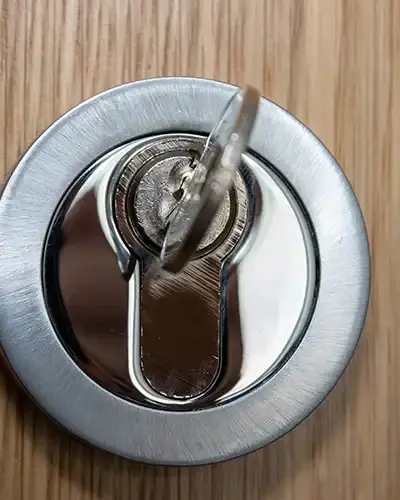
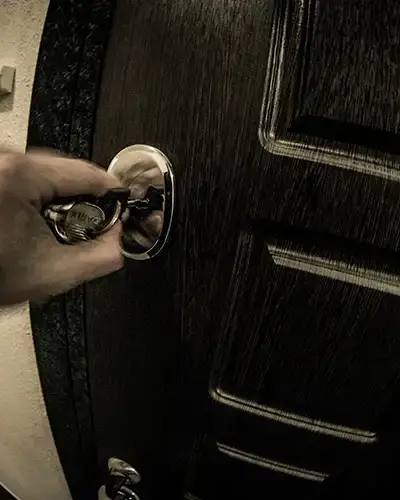
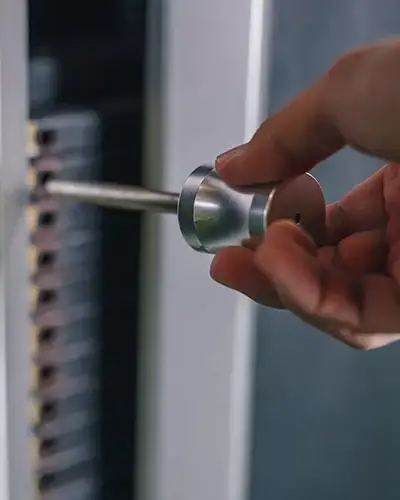
View examples of emergency safe opening, door opening, lock opening and office access work in Vinnytsia.
How to Avoid the Problem Again
To prevent the safe from getting blocked again, keep the key in a secure place, do not use damaged or bent keys, do not force the lock and pay attention to the first signs of a fault.
If the key starts to enter tightly, the lock turns with jerks or the safe does not open on the first attempt, it is better to check the mechanism in advance. Other useful materials can be viewed in the Zamok24 blog.
Conclusion
If the safe will not open, the key is lost or the lock is jammed, do not break the body, hit the door or force the key. Such actions can damage the mechanism and make opening more difficult.
Zamok24 helps in Vinnytsia with emergency safe opening, lock opening, door opening and car opening. The locksmith will restore access, check the condition of the lock and explain whether the safe can still be used or whether repair or mechanism replacement is better.
Share this post: